- Written by: Paediatrician
- October 17, 2025
- Categories: Children Behavior Disorders
- Tags:
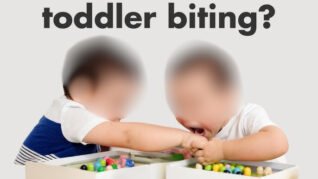
Is your sweet child suddenly using their teeth in a not-so-sweet way? You are not alone. Toddler biting is a common but stressful phase that many parents face. Whether you’re dealing with an 18-month-old exploring the world with their mouth or a 2-year-old expressing big feelings, understanding the root cause is the first step to a solution. This comprehensive guide will walk you through exactly why toddlers bite and provide actionable strategies for how to stop this behavior at home and at daycare. We’ll cover everything from why do toddlers bite to how to get a 1 year old to stop biting, ensuring you have the tools to navigate this challenging behavior with confidence and calm.
How to Stop Toddler Biting?
How to Get a 1 Year Old to Stop Biting?
Before we dive into the solutions, it’s crucial to remember that for most toddlers, biting is a normal part of development. It is not a sign of a “bad” child or poor parenting. The key is to respond effectively and consistently to these biting behaviors to guide your child toward more appropriate ways of communicating.
Why Do Toddlers Bite? Understanding the ‘Why’ Behind the Bite
To effectively address how to stop a child from biting, we must first understand their motives. Biting is a powerful way for a pre-verbal or limited-verbal child to express themselves.
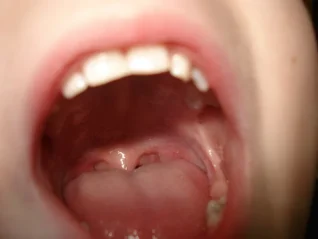
- Teething Discomfort: For infants and younger toddlers, especially around 1 year old, sore gums are a primary culprit. The pressure of biting something—anything—can relieve the pain.
- Exploration: Babies and toddlers learn about their world through their senses, and their mouths are a primary tool. They bite to learn about texture, taste, and cause and effect.
- Communication of Big Feelings: Frustration, anxiety, anger, fatigue, and even overwhelming joy can lead to a bite. A toddler who lacks the words to say, ‘I’m mad!’ or ‘I want that toy!’ may bite instead.
- Seeking Attention: Even negative attention is still attention. If a child learns that biting results in a big, immediate reaction, they may repeat the behavior.
- Cause and Effect: An 18-month-old is a tiny scientist. They are fascinated by what happens when they chomp down—what sound will you make? What will happen next?
Immediate Steps to Take After a Biting Incident
- Intervene Immediately: Get down to your child’s eye level. Use a firm, serious (but not yelling) voice.
- State the Rule Clearly: Say short, clear phrases like, ‘No biting. Biting hurts.’
- Comfort the Victim: Shift your primary attention to the child who was bitten. This models empathy and shows that biting does not result in positive attention for the biter.
- Avoid Negative Labels: Never call your child a ‘biter.’ This can become a self-fulfilling prophecy. Separate the action from the child: ‘Biting is not okay,’ instead of ‘You are a biter.’
How to Stop My Son From Biting: Proactive and Preventive Strategies
Reacting in the moment is only half the battle. The real progress happens with proactive strategies you use throughout the day to prevent biting before it starts.
Teach Your Child Alternatives to Biting
- Offer ‘Bite-Worthy’ Alternatives: For a teething toddler, offer a teething toy, a cold washcloth, or a crunchy snack. Say, ‘We bite apples, not people.’
- Give Them the Words: Provide simple phrases for them to use. ‘You can say, My turn!’ or ‘Use your words: I’m mad!’
- Teach Emotional Literacy: Name their feelings for them. ‘I see you are feeling frustrated because we have to leave the park. It’s okay to be upset, but it’s not okay to bite.’
Managing Toddler Biting at Daycare
How to Stop a Child Biting at Daycare
- Partner with the Caregivers: Schedule a meeting to discuss what happens before a bite. Are there specific triggers? Is it during transitions? Work together to create a consistent plan for both home and daycare.
- Discuss Their Policy: Understand the daycare’s policy on biting. A good center will focus on redirection and teaching, not punishment.
- Reinforce Skills at Home: Practice sharing, taking turns, and using words at home to build the skills your child needs in the social daycare environment.
Specialized Guides by Age
While the core principles remain the same, your approach may be slightly different depending on your child’s age.
- Infants and Biting (Under 1 year): Focus heavily on teething relief and redirection. Your reaction should be simple, calm, and immediate.
- 18 Month Old Biting (toddler biting): This age is all about big emotions and limited language. Focus on naming feelings and providing alternatives. Consistency is key.
- 2 Yr Old Biting (toddler biting): A 2-year-old has more understanding and verbal skills. You can use more complex language, implement simple consequences (like leaving the activity), and have small conversations about why we don’t bite.
What to Do When Your Child Bites You
It can be especially shocking and painful when your child bites you. Remember to take a breath. Follow the same steps: a firm ‘No biting. That hurts Mommy/Daddy,’ and then briefly withdraw your attention. Do not pretend to bite them back, as this teaches that biting is an acceptable behavior.
Building a Bite-Free Future: Patience and Consistency
Ending biting behaviors is a process, not a single event. There will be good days and setbacks. The most powerful tools you have are your calm, consistent responses and your unwavering love. By understanding the root cause, responding effectively in the moment, and proactively teaching your child new skills, you will guide them through this phase. Remember, this too shall pass, and you are building the foundation for your child’s emotional intelligence and self-control for years to come.