

Is your baby struggling to latch, making feeding times a battle? You’ve checked for common issues, but everything seems fine on the surface. The culprit could be a (Ankyloglossia) tongue tie, a often-missed condition (especially posterior tongue tie). that restricts the tongue’s movement. Understanding the full range of ankyloglossia symptoms is the first step to getting your baby the help they need. This guide will walk you through everything from the subtle signs of a hidden tie to the key differences, like ankyloglossia vs normal tongue. We’ll connect you with the experts, from lactation consultants to ENT consultants, who can help you navigate this challenge.
Posterior Tongue Tie: The Hidden Challenge for Your Baby
Unlike the more obvious anterior ties, a posterior tongue tie is located further back, under the mucous membrane, making it a hidden challenge for parents and babies with tongue tie. Instead of a thin membrane, it feels like a thick, tight band of tissue that restricts the floor of the mouth. Because it’s not easily visible, its symptoms of tongue tie are often mistaken for other issues like low milk supply or a ‘fussy’ baby.
What Does a Tongue Tie Look Like? Anterior vs. Posterior
Many parents ask, ‘What does a tongue tie look like?’ The answer depends on the type.
Anterior Tongue Tie
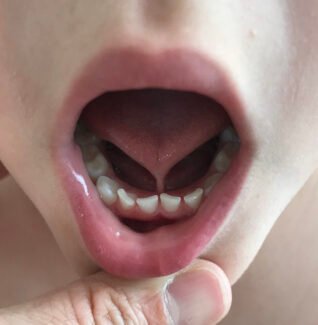
This is the classic, easily visible tie. It appears as a thin, clear, or white membrane connecting the bottom of the tongue directly to the tip of the tongue, often creating a heart-shaped appearance when the baby cries or tries to stick their tongue out.

Posterior Tongue Tie
This is trickier to spot. The tongue may look notched or dimpled in the center when lifted, and you may feel a tightness rather than see a clear membrane.
Key Signs of Tongue Tie in Babies
Look for these common signs of tongue tie during feeding and daily activities:
- Persistent Trouble Latching: The baby cannot maintain a deep latch, slips off the breast, or makes a clicking sound while feeding.
- Poor Weight Gain: Due to inefficient feeding, the baby may not get enough milk.
- Reflux and Gassiness: Swallowing excess air during poor latching can lead to these uncomfortable symptoms.
- Fatigue During Feeds: The baby falls asleep at the breast quickly out of exhaustion, not fullness.
- Maternal Pain: Nursing is consistently painful for the mother, often described as pinching or chewing.
Beyond Feeding: Other Indicators to Watch For
The impact of a tongue tie isn’t limited to nutrition. Be aware of these other signals:
- Trouble Sticking Tongue Out: The baby cannot protrude their tongue past the lower gums.
- Limited Side-to-Side Movement: The tongue should be able to move freely from side to side to clear the mouth and manipulate food.
- Speech Development Concerns: While not a guarantee of future issues, a restricted tongue can potentially lead to challenges with certain sounds, which a speech language pathologist can assess.
- Mouth Breathing and Snoring: The tongue’s position can affect airway development.
How to Know If Your Baby Has a Tongue Tie: A Step-by-Step Check
Wondering, ‘How to know if baby has tongue tie?’ or even ‘Do I have a tongue tie?’ as you recognize symptoms in yourself? Here’s a simple, at-home observation guide (note: this does not replace a professional diagnosis).
The ‘Lift and Look’ Test
Gently try to lift your baby’s tongue from the tip. Look for:
- Inability to lift the tongue high enough to touch the roof of the mouth.
- A cupped or dimpled appearance on the bottom of the tongue.
- The center of the tongue dipping down while the sides curl up.
Observing Function Over Form
Sometimes, function is more telling than appearance. Can your baby:
- Lick their lips?
- Easily move their tongue from side to side?
- Clean food from their upper and lower lips?
If you observe limitations, it’s time to consult a professional.
The Professional Diagnosis: Who to See
If you suspect a tongue tie, a multi-disciplinary approach is best.
- Lactation Consultants: Often the first to identify feeding issues related to a tie.
- Ear, Nose, and Throat (ENT) Consultants: Medical doctors who can officially diagnose and perform a release procedure if needed.
- Speech Language Pathologists: Can assess functional limitations related to speech and oral motor function.
Addressing the Concerns: Disadvantages of Clipping Tongue-Tie
The decision to treat a tongue tie is personal and should be made with your healthcare team. It’s crucial to understand the potential disadvantages of clipping tongue-tie to make an informed choice.
- The Procedure Itself: The brief discomfort and stress for the baby during the frenotomy (clipping) or frenectomy (laser).
- Aftercare Commitment: The success of the procedure heavily relies on performing prescribed stretching exercises multiple times a day for several weeks to prevent reattachment.
- Potential for Reattachment: If aftercare is not followed diligently, the tissue can reattach, rendering the procedure ineffective.
- Not a Magic Bullet: While it often dramatically improves function, some babies may need additional support (e.g., chiropractic care, continued feeding therapy).
Weighing the Pros and Cons
Consider the long-term disadvantages of clipping tongue-tie against the ongoing struggles of untreated ankyloglossia symptoms, which can include prolonged feeding difficulties, speech issues, and dental problems. Discuss the risks and benefits thoroughly with your pediatrician or ENT consultants.
Final Thoughts: You Are Your Child’s Best Advocates
So, just how common is tongue tie? It’s estimated to affect anywhere from 4-10% of newborns, with posterior tongue tie being frequently under-diagnosed. Experts agree that tongue tie does not cause delayed speech development. Trust your instincts. If you feel something isn’t right with your baby’s feeding or oral development, you are likely onto something. Not all tongue tie require surgery. By understanding the signs of tongue tie and seeking the right experts, you are taking the most important step toward helping your child thrive.
